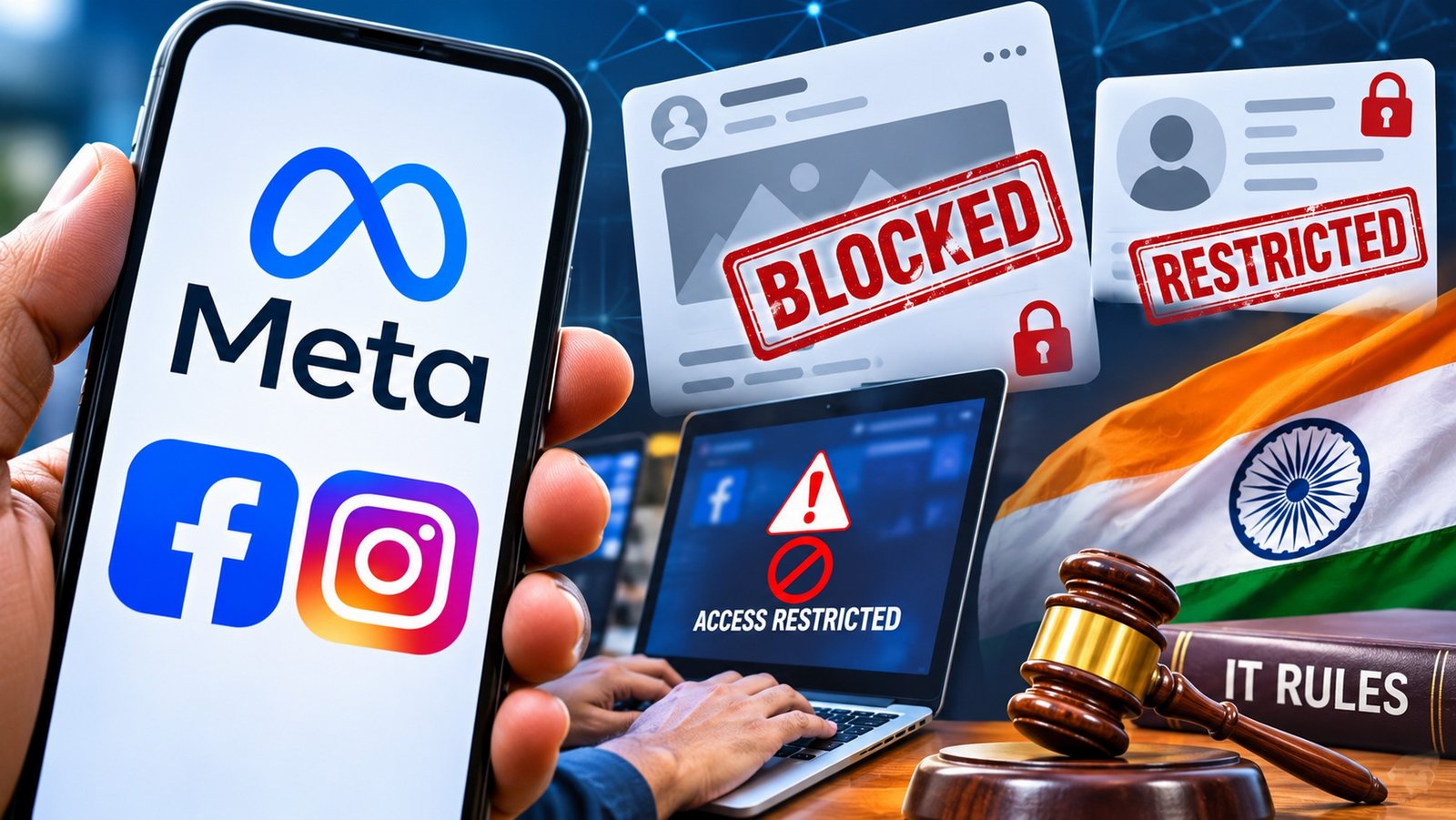
New Delhi, November 23, 2026: Social media giant Meta Platforms has restricted access to more than 5.44 million pieces of content and …
New Delhi, November 23, 2026: Social media giant Meta Platforms has restricted access to more than 5.44 million pieces of content and …
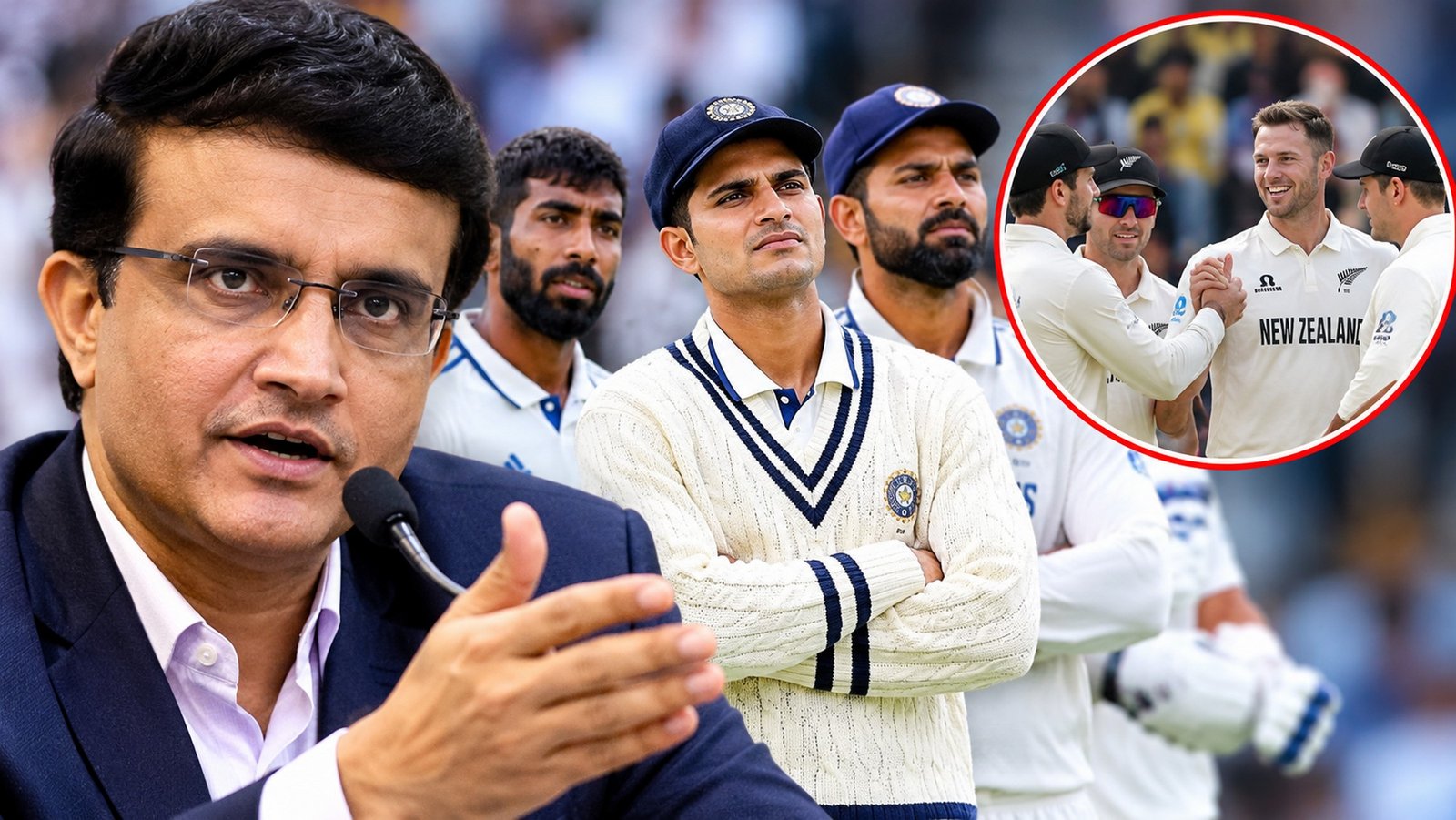
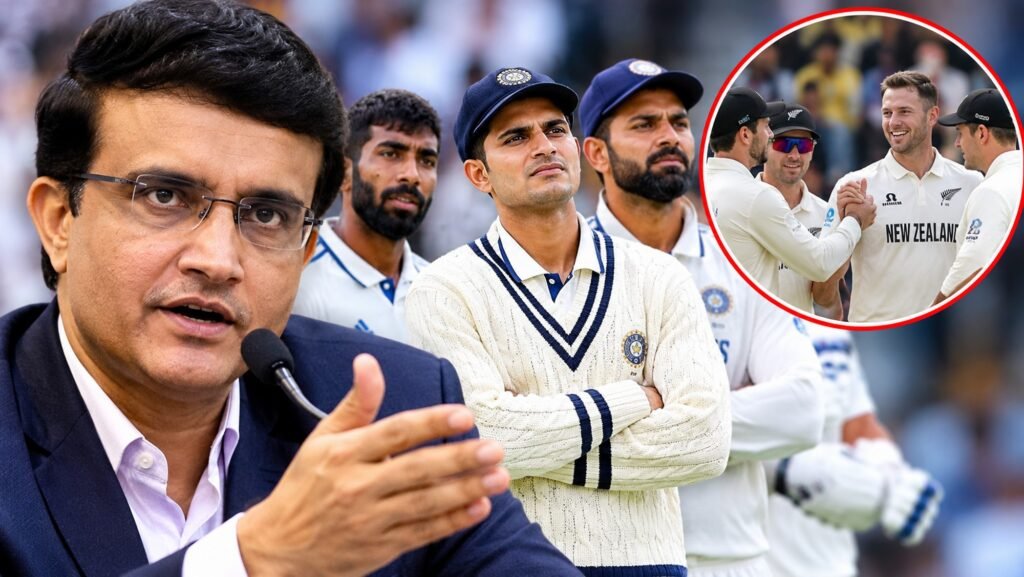
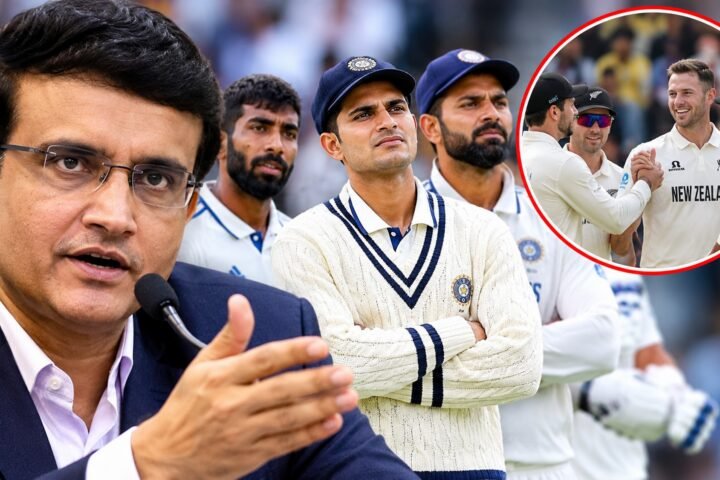
New Delhi, November 23, 2026: Former Indian captain and BCCI president Sourav Ganguly has questioned the Indian team’s selection strategy following the …

New Delhi, November 23, 2026: High blood pressure, also known as hypertension, is one of the major risk factors for cardiovascular disease. …

New Delhi, November 23, 2026: The much-awaited trailer of Panchayat Season 5 has finally been unveiled, bringing back the familiar charm of …
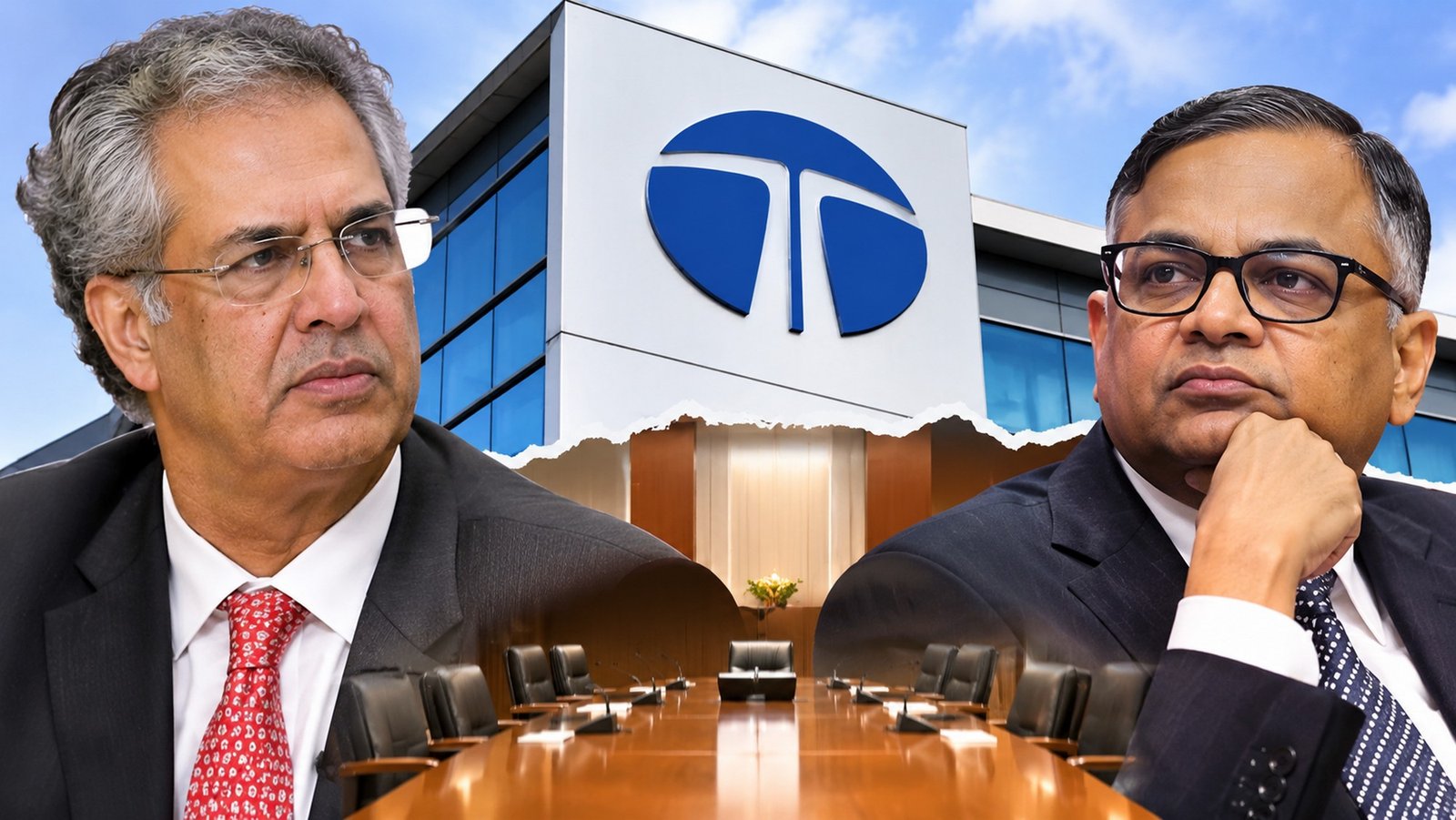
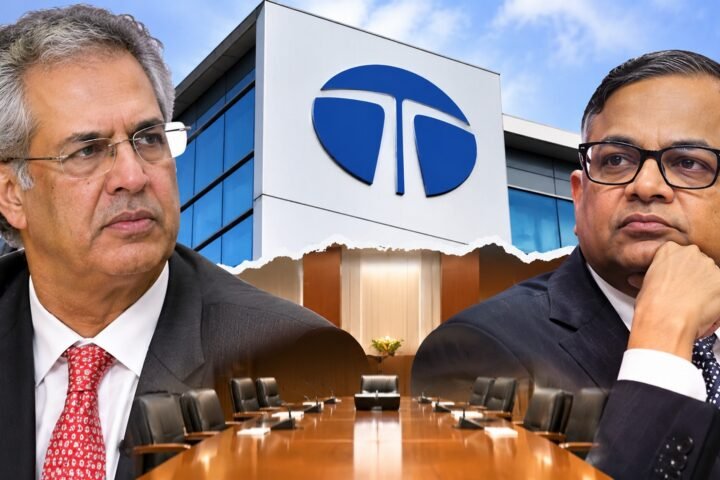
Mumbai, November 23, 2026: Tata Sons, the holding company of the Tata Group, has postponed its crucial board meeting from November 26 …
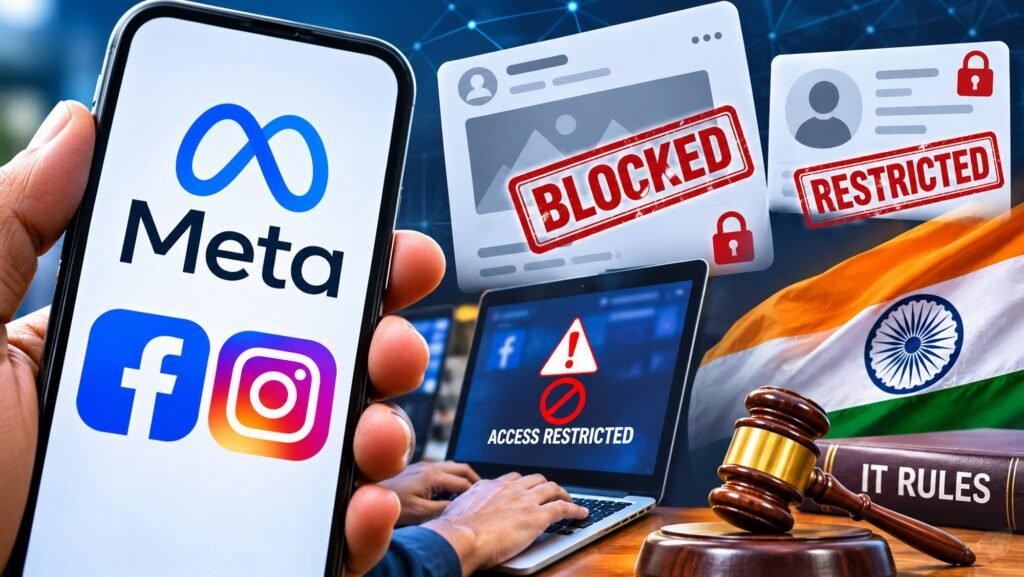
New Delhi, November 23, 2026: Social media giant Meta Platforms has restricted access to more than 5.44 million pieces of content and accounts in India between January and June 2026, according to the company’s latest transparency disclosures. The figures represent a significant increase compared with previous years, reflecting the changing regulatory environment governing social media platforms in India. According to reports, Meta restricted approximately 70,000 posts and accounts during the entire year of 2025. In comparison, more than 5.4 million restrictions were recorded in just the first six months of 2026. India has now emerged as the second-largest market globally for Meta’s content restrictions under local laws, behind Indonesia. Meta’s Content Restrictions Increase Nearly 131 Times The latest data highlights the extraordinary scale of content restrictions across Facebook and Instagram. According to Meta’s transparency report, approximately 41,400 items were restricted in India during the second half of 2025. That number increased to more than 5.44 million during the first half of 2026, representing an increase of approximately 131 times compared with the preceding six-month period. The latest figures cover restrictions imposed under local laws. Such restrictions may include limiting access to posts or accounts within India and do not necessarily mean that every affected post was permanently deleted or every account permanently suspended. The rapid increase has raised questions about the implementation of content moderation policies and the role of government authorities in regulating online platforms. New IT Rules Behind the Sharp Increase One of the major factors associated with the increase is the amendment to India’s Information Technology Rules. The Ministry of Electronics and Information Technology introduced amendments in February 2026, which came into effect on February 20. Under the revised framework, social media intermediaries are required to act on certain legally valid notices concerning unlawful content within three hours, compared with the earlier 36-hour timeline. The reduced response period has significantly changed the compliance environment for social media companies. Platforms such as Facebook and Instagram must process applicable notices quickly while ensuring compliance with Indian laws. Critics argue that shorter deadlines could leave companies with limited time to investigate complaints, assess context and determine whether restricting content is justified. The government, however, maintains that the rules are intended to strengthen accountability and ensure faster action against unlawful online material. Government Agencies and Police Involved in Content Removal Requests Meta’s transparency disclosures indicate that restrictions under local laws have involved requests and notices associated with several Indian authorities. These include the Ministry of Electronics and Information Technology (MeitY), the Ministry of Information and Broadcasting (MIB), the Indian Cybercrime Coordination Centre (I4C), and state law enforcement agencies. Under applicable provisions of the Information Technology Act and related rules, authorized government agencies can issue legally valid notices seeking restrictions on content considered unlawful. The revised regulatory framework has also expanded the debate over how such notices are issued and reviewed. Digital rights advocates have raised concerns that platforms may remove content too quickly to avoid potential regulatory consequences. However, the existence of a government or law enforcement request does not automatically establish that the content was unlawful. The legality and justification of individual restrictions may be subject to judicial scrutiny. What Kind of Content Is Being Restricted? Reports indicate that some of the restrictions have affected political commentary, journalism, protest-related posts and content published by social media users. Opposition politicians, journalists and digital content creators have raised concerns about restrictions on posts critical of government policies. Several controversies have emerged around social media content connected to demonstrations and political activities in Delhi. Some accounts and posts associated with protest movements have reportedly faced restrictions, while certain accounts were subsequently restored. However, the available aggregate figures do not establish how many of the 5.44 million restrictions involved political content, misinformation, alleged unlawful material or other categories. The lack of a detailed public breakdown has contributed to calls for greater transparency in content moderation decisions. Opposition Protests Against Meta Over Account Restrictions The controversy has also triggered political reactions in India. Congress leaders and supporters have protested against Meta over restrictions affecting certain Instagram accounts and political content. On November 21, Reuters reported demonstrations outside Meta offices in India, with opposition representatives demanding the restoration of affected accounts. Critics have questioned whether the company’s content moderation processes are being applied fairly and consistently. The protests highlight growing tensions between social media platforms, political organizations and digital rights campaigners. The controversy has also renewed calls for clearer explanations when posts or accounts are restricted under government directions. Government Defends Action Against Unlawful Content The Indian government has maintained that content removal directions are issued to address violations of domestic laws or threats to public safety and national security. Authorities argue that social media companies have a responsibility to prevent the circulation of unlawful information and respond promptly to valid legal notices. Government officials have also emphasized the importance of addressing online activities that may facilitate cybercrime or threaten public order. Meanwhile, free speech advocates argue that content moderation procedures must include adequate safeguards to protect legitimate criticism, journalism and political expression. The debate has therefore become a broader discussion about balancing digital rights with regulatory enforcement. Delhi High Court Examines Challenge to Content Restrictions The issue has also reached the judiciary. The Delhi High Court recently issued notice in a constitutional challenge brought by legal news platform LiveLaw concerning Meta’s automated content filtering practices and Rule 4(4) of the Information Technology Rules. The case raises questions about the procedures used to restrict access to journalistic content and whether existing mechanisms provide sufficient safeguards. According to the Internet Freedom Foundation, the challenge concerns restrictions placed on a LiveLaw Hindi Facebook post reporting statements made by senior advocate Kapil Sibal. The matter has brought additional attention to the transparency of government-linked content restrictions and the remedies available to affected publishers. The court’s examination could have implications for how social media platforms handle future content moderation requests. Internet Freedom Foundation (IFF) What Does This Mean for



Seoul, November 23, 2026: South Korea has clarified that extending the deployment of its military personnel in the…
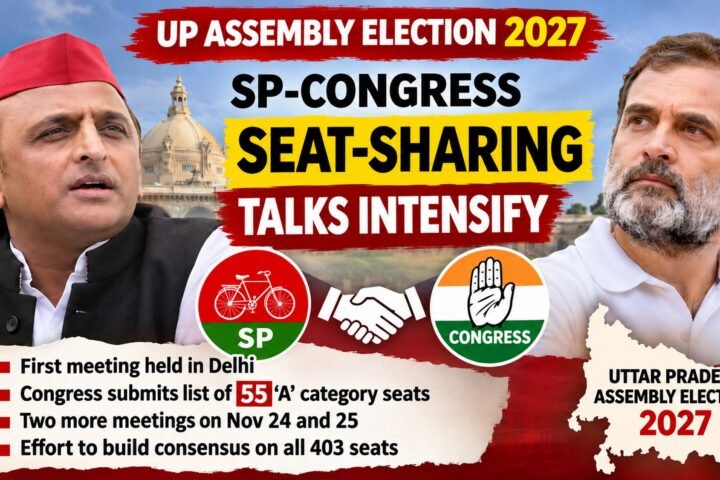
New Delhi: As preparations for the 2027 Uttar Pradesh Assembly elections gather momentum, the Samajwadi Party (SP) and…

Delhi NCR is one of India’s most dynamic business markets, home to startups, established enterprises, manufacturers, retailers, service…
Duplicate content is one of those SEO problems that rarely announces itself. Nobody gets an alert saying “this…

In today’s digital world, Search Engine Optimization (SEO) is no longer just about inserting keywords into web pages…